




The Role of Labels in Nigerian FMCG and Pharmaceutical Markets
In Nigeria, FMCG and pharmaceutical products must have labels before they can be sold. To meet regulatory requirements, it must carry key information including ingredients, dosage, usage instructions, batch numbers, and expiry dates. Without proper labeling, products cannot be legally distributed or sold.
Beyond compliance, labels impact how products are identified and selected in retail environments. In supermarkets and pharmacies where multiple alternatives exist, clear and well-produced labels make it easier for consumers to understand, compare, and trust a product. For manufacturers and distributors, labeling is therefore not just a packaging step, but a functional requirement that affects market access, product credibility, and sales performance.
Importance of Labels in Regulated Markets
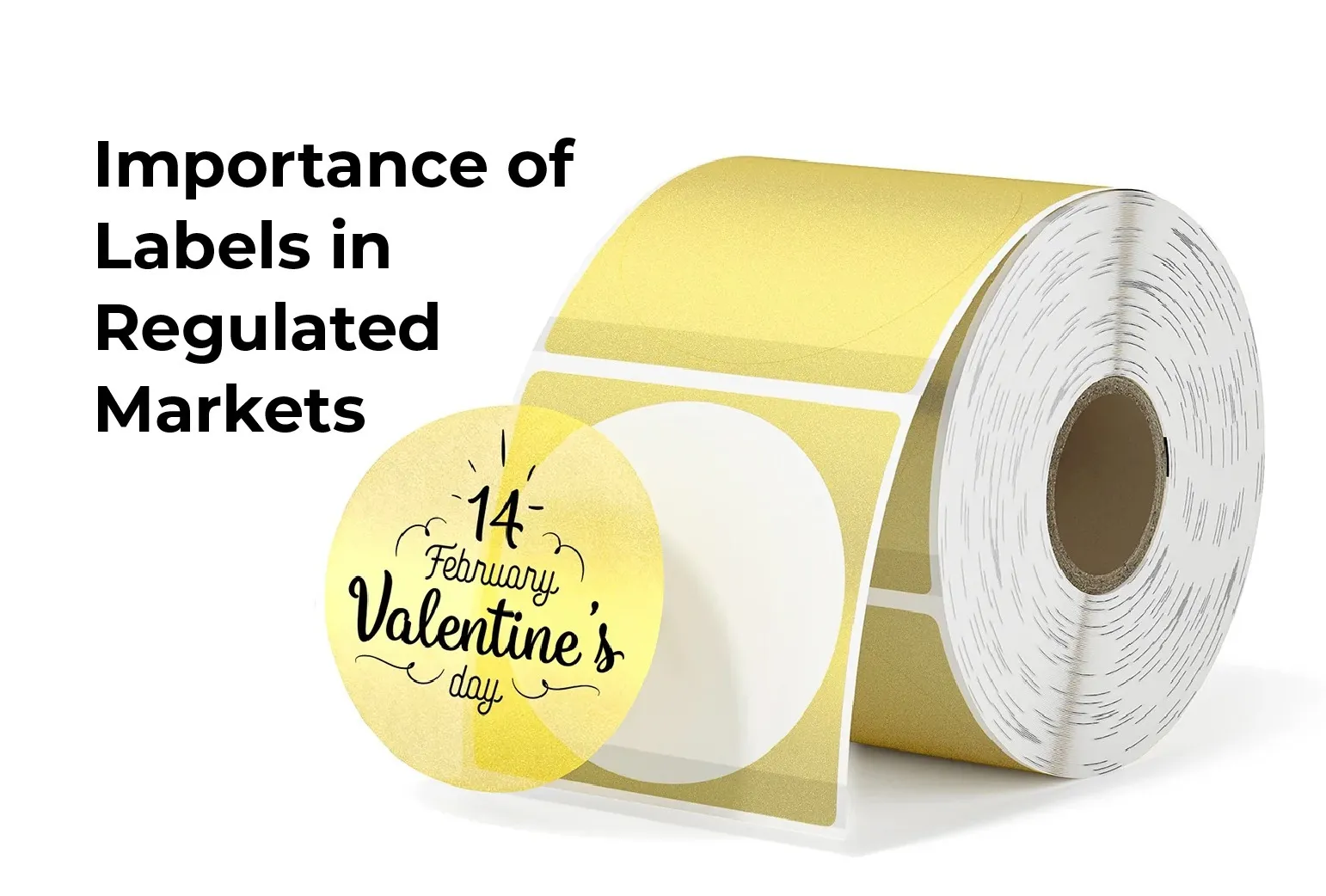
In regulated industries such as FMCG, pharmaceuticals, and cosmetics, labels are a major requirement for market entry and product circulation. They provide essential product information, including ingredients, usage instructions, dosage, storage conditions, and safety warnings. This information helps consumers use products safely and properly.
In Nigeria, compliance with regulatory standards depends heavily on accurate and well-structured labeling. Products must clearly display key details such as batch numbers, manufacturing and expiry dates, and approval markings. Without this, products risk rejection, recall, or loss of consumer trust.
At the same time, packaging labels serve a commercial purpose. On a crowded shelf, labels help products stand out and communicate value quickly. For FMCG product labels in Nigeria, where purchase decisions are often made within seconds, clarity and visual appeal influence sales. In pharmaceuticals, especially, compliance alone is not enough — a label that is technically accurate but difficult to read still fails the consumer. Across all product categories, an effective label should meet regulatory standards, communicate clearly, and represent the brand.
Types of Label Materials
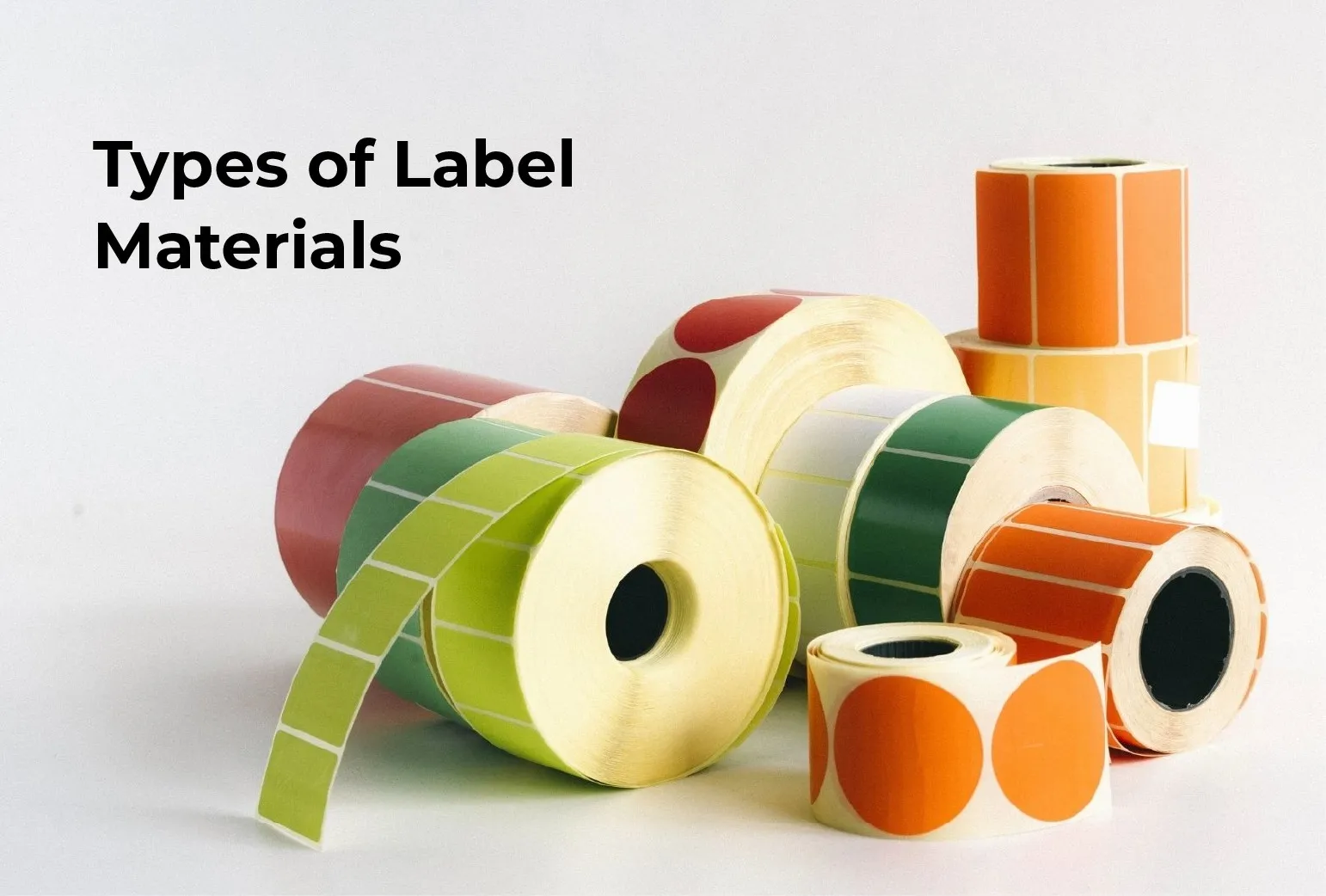
Material selection is a key part of product label printing, as it determines how well a label performs under different conditions.
- Paper Labels
- Polypropylene (PP) Labels
- Vinyl Labels
Paper labels are widely used due to their cost-effectiveness and versatility. They are suitable for dry products and are commonly applied in retail packaging such as cartons, boxes, and certain consumer goods. However, they are less resistant to moisture and handling.
Polypropylene labels offer improved durability. They are resistant to moisture, oils, and general wear, making them suitable for beverages, cosmetics, and personal care products. Their ability to maintain print quality under varying conditions makes them a preferred option for many FMCG applications.
Vinyl labels are designed for high-performance use. They are highly durable and resistant to water, chemicals, and abrasion. This makes them suitable for industrial products and certain pharmaceutical labels in Nigeria, where label integrity must be maintained throughout the product’s lifecycle.
Selecting the right material ensures that labels remain intact, legible, and aligned with the product’s use environment.
Gloss vs Matte vs Embossed Labels
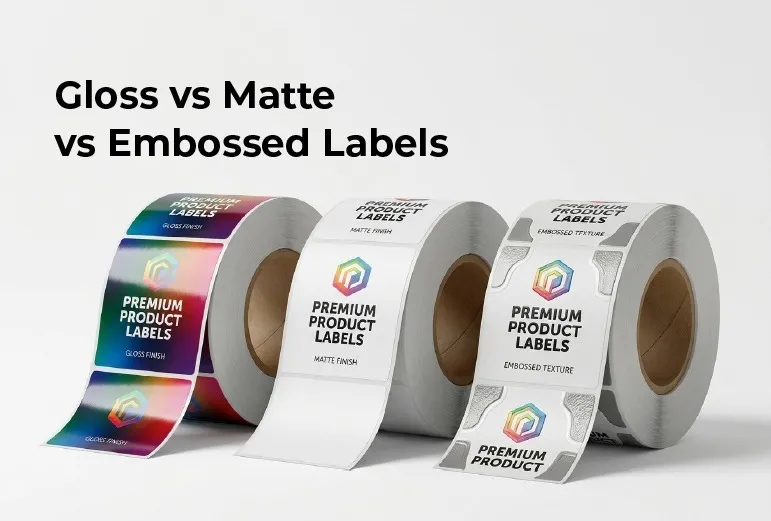
Label finishing affects both the appearance and perception. Different finishes are used depending on the product category and brand positioning.
- Gloss Labels
- Matte Labels
- Embossed Labels
Gloss labels have a shiny surface that enhances the color vibrancy and visual appeal. They are commonly used for food, beverage, and cosmetic products where shelf visibility is important. The reflective finish helps attract attention in retail settings.
Matte labels have a non-reflective finish that delivers a clean and refined look. They are often used in pharmaceutical and premium product packaging where readability and a professional appearance are prioritized.
Embossed labels feature raised elements that create a textured surface. This adds a tactile dimension to packaging and is typically used for high-end or premium products.
For businesses investing in custom labels in Lagos, combining the right finish with the appropriate material allows for better alignment with brand identity and market positioning.
How Label Design Influences Consumer Buying Decisions
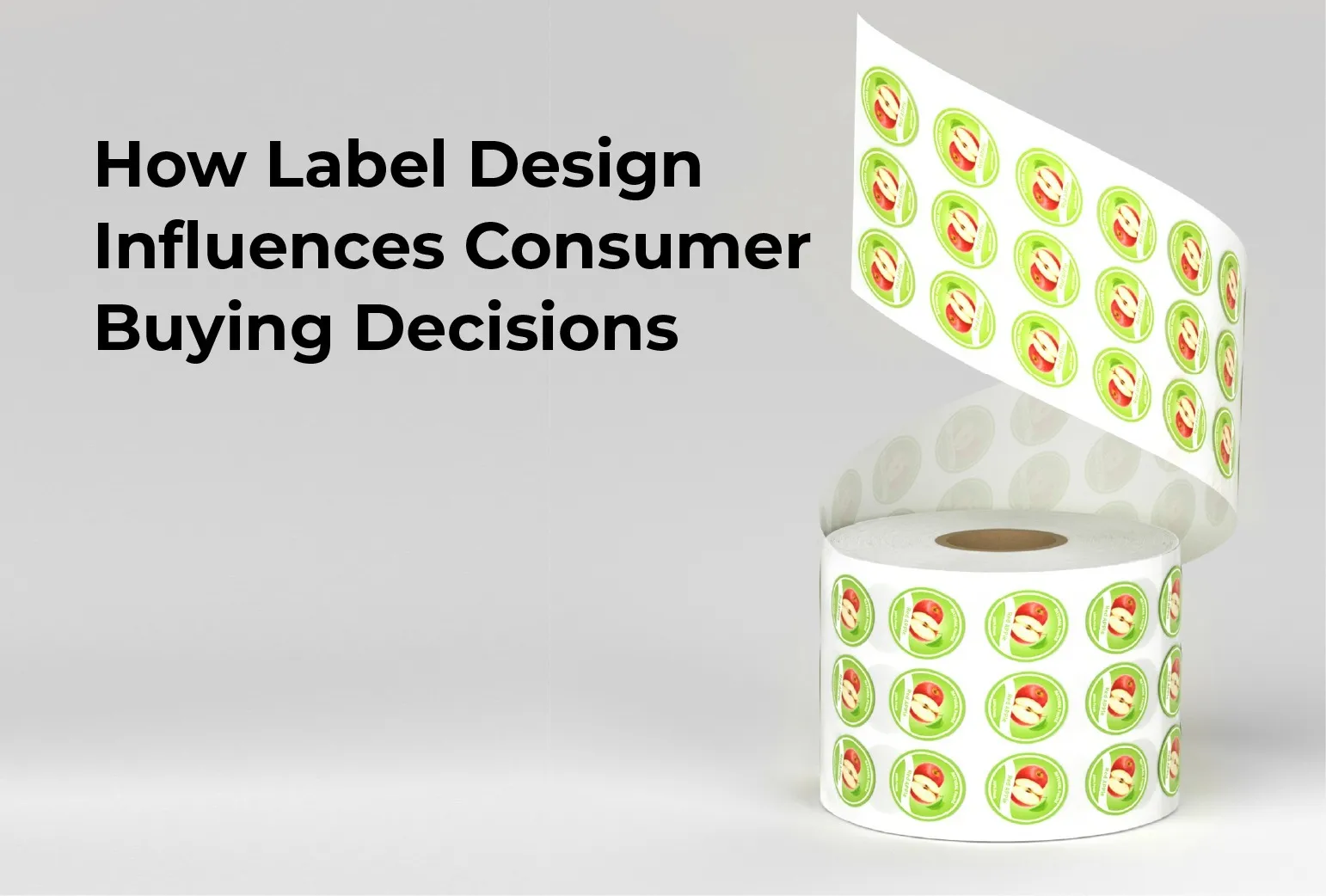
Label design determines how quickly a product is noticed, understood, and chosen. In retail settings where similar products compete side by side, consumers rely on visual cues to make fast decisions. A label that is clear and visually structured has a higher chance of being picked up than one that is cluttered or difficult to read.
Color plays a key role in this process. It shapes first impressions and signals what the product represents. Bright colors tend to attract attention and can communicate energy or affordability, while more neutral or muted tones often suggest quality, safety, and reliability—an important factor for categories such as pharmaceuticals.
Typography is equally important. Labels must present information that is easy to scan and read at a glance. This is particularly critical for pharmaceutical products, where dosage instructions, warnings, and ingredients must be clearly understood: poor typography can reduce trust and create confusion, even if the product itself meets all standards.
Visibility on the shelf is another determining factor. Labels that use strong contrast, balanced spacing, and a clear hierarchy of information are easier for consumers to scan quickly. This is especially relevant for FMCG product labels in Nigeria, where buying decisions are often made within seconds and influenced by what stands out immediately.
Ultimately, label design shapes perception. A clean, well-executed label signals professionalism and reliability, while an inconsistent or poorly printed one can raise doubts. Over time, consistent design builds familiarity, helping consumers recognize the product easily and reinforcing trust with each purchase.
What to Ask Your Label Printer Before Placing an Order
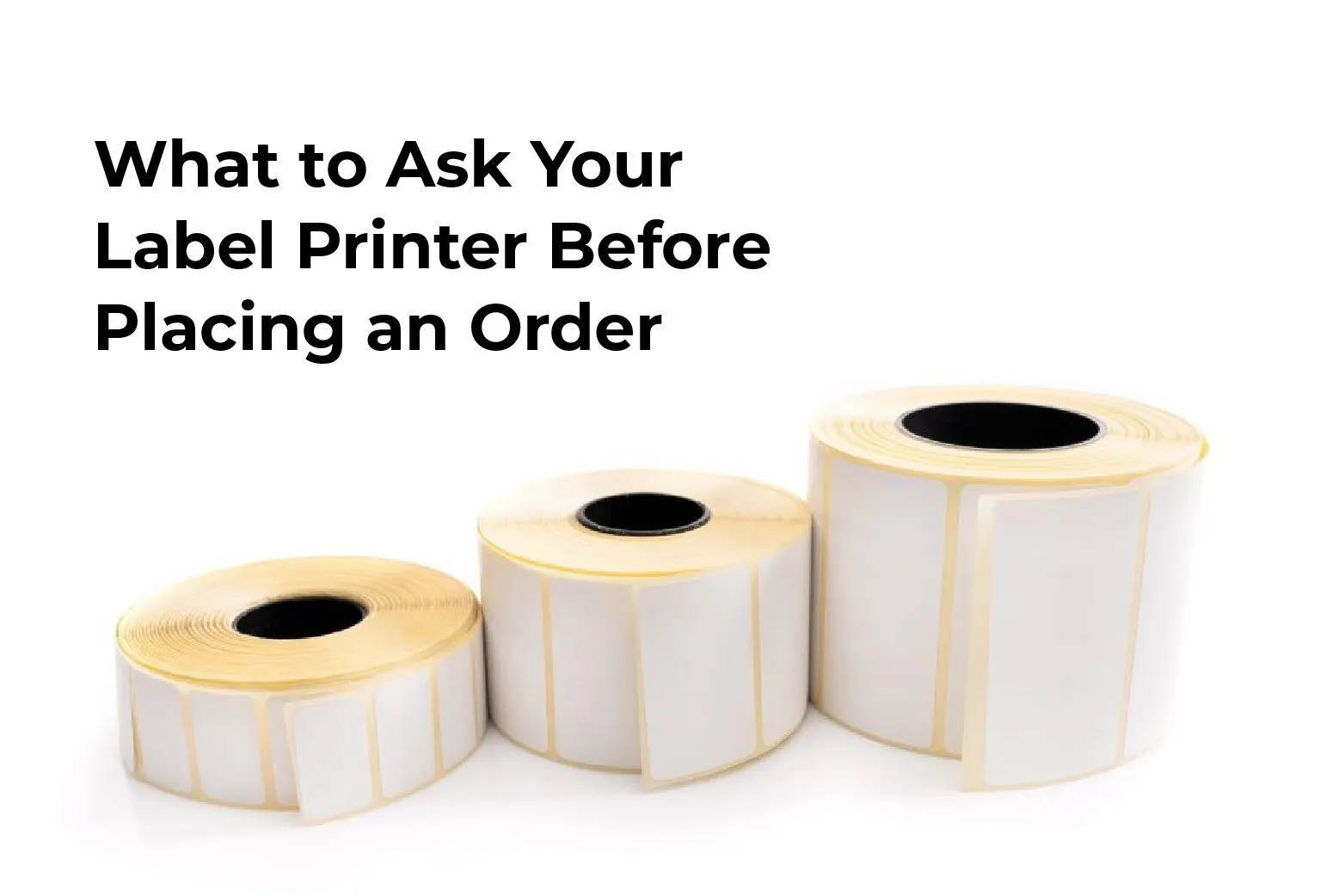
Selecting the right partner for label printing in Nigeria goes beyond comparing prices. It also requires a clear understanding of the printer’s technical capability, the material options they have available, and the ability to deliver consistently at scale, either large or small. Before committing to any supplier, businesses should ask the right questions to avoid production issues, delays, or quality inconsistencies.
- First, confirm the range of label materials available and which option best suits your product. Different products require different levels of durability, especially when exposed to moisture, oils, refrigeration, or handling. A reliable printer should be able to recommend the most suitable material based on your use case.
- It is also important to understand the printing technology being used. There are options to consider, such as digital or flexographic printing, as the method used directly affects print clarity, color accuracy, and consistency, especially while printing in large volumes. This is very important for brands that require uniformity and great quality across multiple batches. Minimum order quantity is another key consideration. Businesses need to know whether the printer can accommodate both small runs and large-scale production, depending on their current stage and growth plans.
- Durability should also be addressed up front. Labels should be able to withstand environmental conditions such as moisture, heat, and chemical exposure without fading, peeling, or losing legibility. This is especially critical for FMCG and pharmaceutical products. Finishing options such as gloss, matte, or embossed should be clearly outlined. These not only affect the appearance of the label but also influence how the product is perceived in the market.
- Finally, production capacity and turnaround time must align with your required operational needs. Delays in label supply can disrupt manufacturing and distribution in fast-moving sectors where demand has to match supply and capacity.
Quantum Packaging Nigeria’s Limited Label Production Capabilities
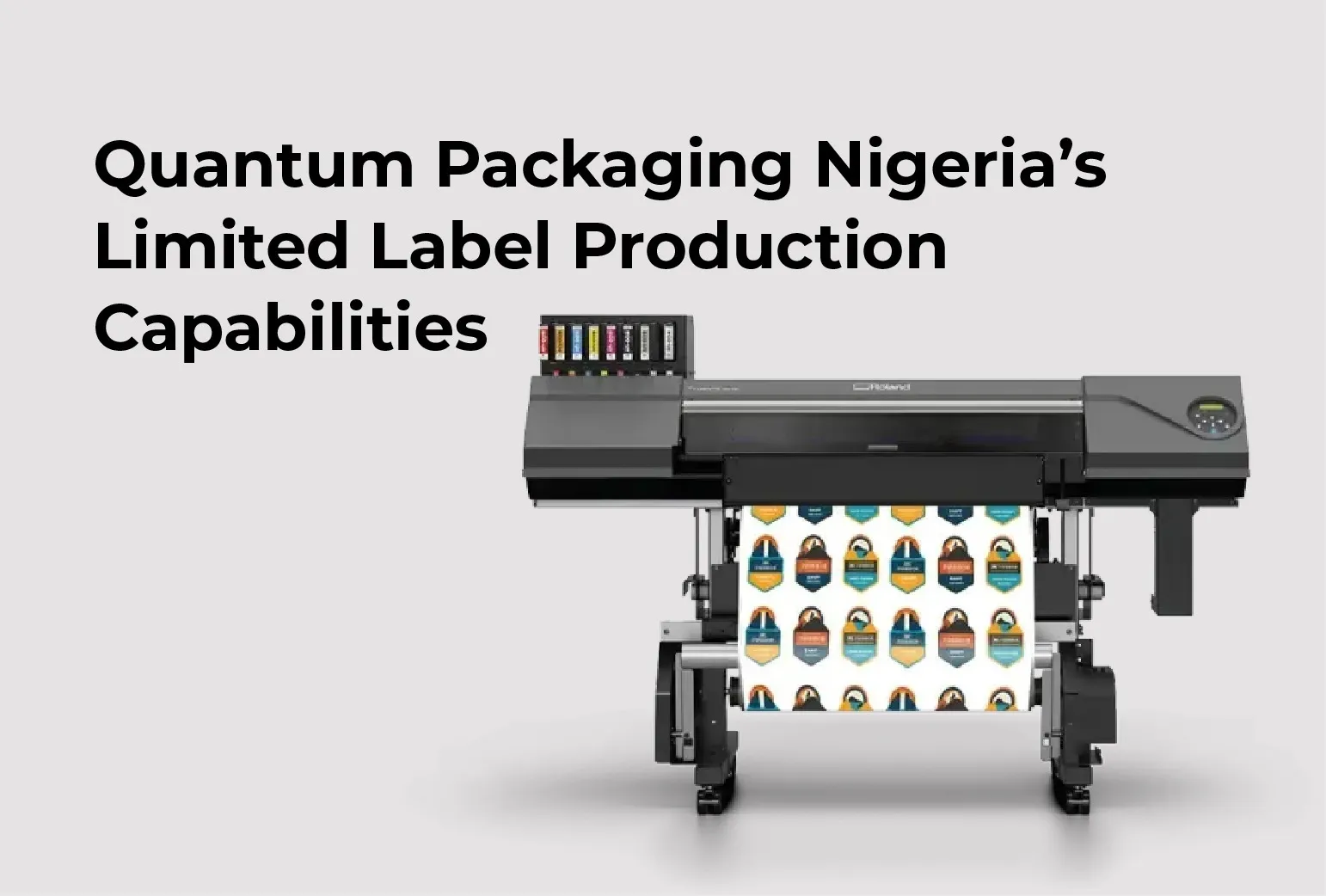
As a well-established product labels manufacturer in Nigeria, Quantum Packaging Nigeria Limited provides label printing services to meet the needs of FMCG, pharmaceutical, and industrial clients. We use advanced printing technology to create and deliver consistent, high-quality output across different label types and volumes. We have access to a range of durable materials, and we make it a priority to ensure labels perform effectively under any storage and usage conditions.
In addition to production, the company supports customization through tailored design and finishing options. This enables businesses to produce labels that align with both regulatory requirements and brand positioning.
With our production capacity, Quantum Packaging is equipped to handle large-scale demand while maintaining consistency. This makes it a reliable partner for businesses seeking dependable product label printing in Nigeria across multiple product categories.
Labels are a functional requirement in Nigeria’s FMCG and pharmaceutical markets. They provide essential product information, ensure regulatory compliance, and influence how products are perceived in retail environments.
Material and finishing choices determine how well a label performs over time, while design influences how quickly a product is noticed and understood. Together, these elements affect both usability and presentation for businesses seeking to achieve this level of consistency and quality. Collaborating with an established manufacturer like Quantum Packaging Nigeria Limited offers the technical expertise, production capacity, and reliability necessary to compete effectively in both FMCG and pharmaceutical markets. To get started, explore Quantum Packaging Nigeria Limited’s capabilities or request a quote directly via our website www.quantumpackagingnig.com.
Looking for high-quality corrugated boxes in Lagos?
Partner with a trusted carton box manufacturer for durable, cost-effective, and custom packaging solutions for your business.